22 May 2026
Weathering Performance Waves: How Climate Variations Shape Results in Field Sports, Court Battles, and Course Challenges
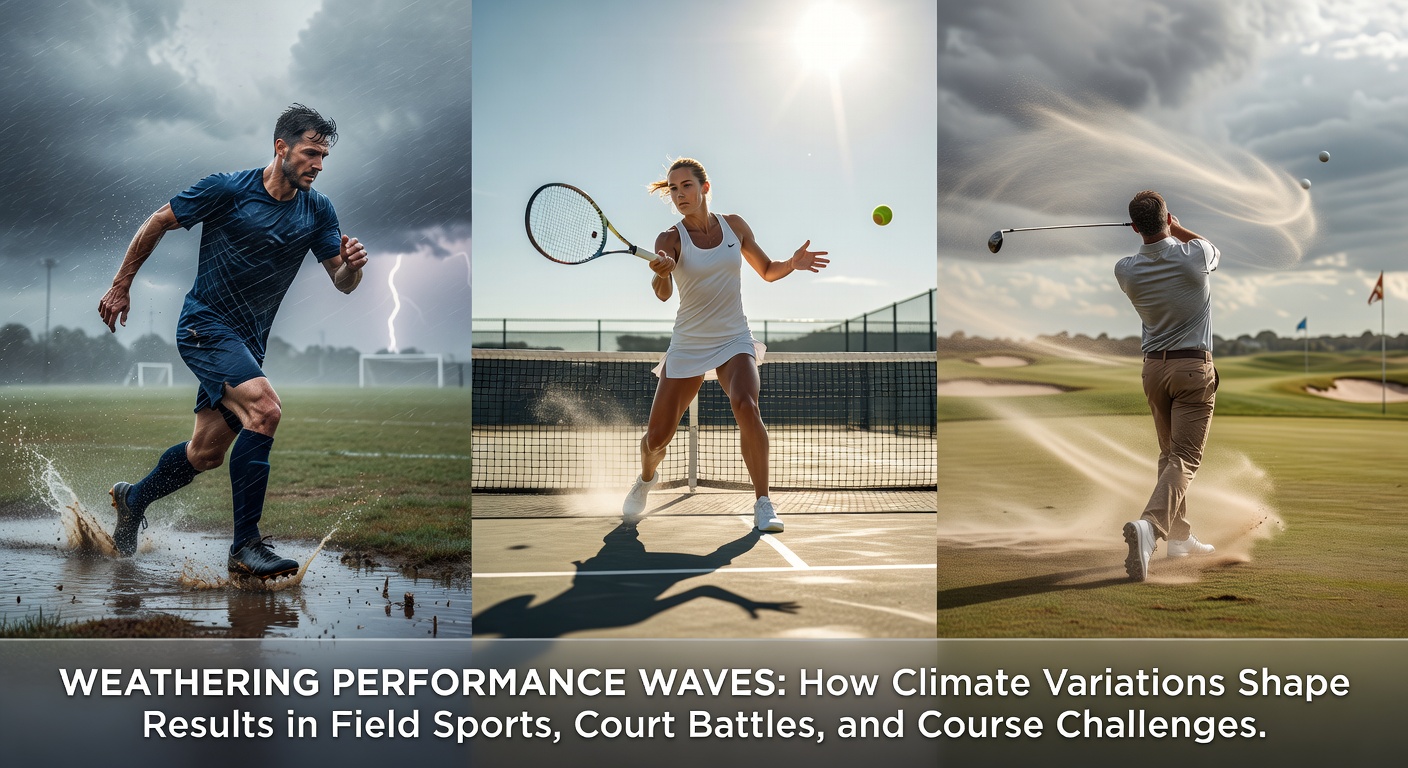
Climate variations influence athletic performance across multiple disciplines, with temperature fluctuations, humidity levels, wind speeds, and precipitation directly affecting player endurance, ball trajectory, and surface conditions in field sports, tennis matches, and golf or racing courses. Data from meteorological agencies shows that these elements create measurable shifts in outcomes, as seen in league fixtures where rain-soaked pitches slow ball movement and increase physical demands on athletes. Researchers at institutions like the National Oceanic and Atmospheric Administration have documented how such changes alter game statistics over extended periods, particularly during transitional seasons when sudden weather fronts arrive without warning.
Impacts on Field Sports
Field sports such as soccer and rugby see pronounced effects from weather patterns because the playing surface responds immediately to external conditions. Heavy rainfall saturates grass fields, which leads to slower passes and higher injury risks from slips, whereas dry spells harden the turf and accelerate ball speed in ways that favor teams with strong long-range strategies. Studies conducted by sports science departments at various universities reveal consistent patterns where teams accustomed to temperate climates struggle more during high-heat events, resulting in elevated fatigue markers after the first half. Observers note that wind plays an equally critical role by disrupting aerial balls and set pieces, forcing coaches to adjust formations on the fly. In May 2026, major international tournaments are expected to incorporate advanced weather modeling into pre-match preparations, drawing on historical datasets to anticipate these variables and their influence on final scores.
Effects in Court-Based Competitions
Tennis and similar court sports present unique challenges because the playing surface and equipment interact closely with atmospheric conditions. High humidity causes tennis balls to absorb moisture, which reduces bounce height and alters spin characteristics in measurable ways according to equipment testing reports from governing bodies. Temperature extremes also affect player physiology, with heat stress leading to decreased serve accuracy and extended rally durations during outdoor events. Data collected from professional circuits indicates that clay courts retain water longer after showers compared to hard courts, creating slippery patches that reward defensive players who adapt quickly. Wind gusts further complicate matters by changing ball flight paths, especially on exposed stadiums where gusts exceed 15 miles per hour. Those who track performance metrics across seasons find that players from arid regions often post lower win rates when competing in humid environments, highlighting how preparation routines must account for these shifts.
Challenges on Courses and Tracks
Golf courses and horse racing tracks experience direct transformations under varying climate conditions, as grass lengths, soil firmness, and visibility all respond to rain, wind, and temperature changes. Prolonged dry spells firm up fairways and greens, which allows balls to roll farther and changes club selection strategies during tournaments. Conversely, wet conditions soften landing areas and slow overall play, increasing the value of accurate short-game skills. In horse racing, track surfaces become heavier after rainfall, which favors stamina-oriented mounts while disadvantaging speed-focused ones, according to industry performance logs compiled over multiple years. Wind affects both golf shots and jockey tactics by influencing balance and stride patterns on exposed courses. A recent analysis from the Australian Bureau of Meteorology links these environmental factors to variations in race times and scoring averages, providing quantifiable insights that organizers use when scheduling events around seasonal weather norms.
Broader Patterns Across Seasons
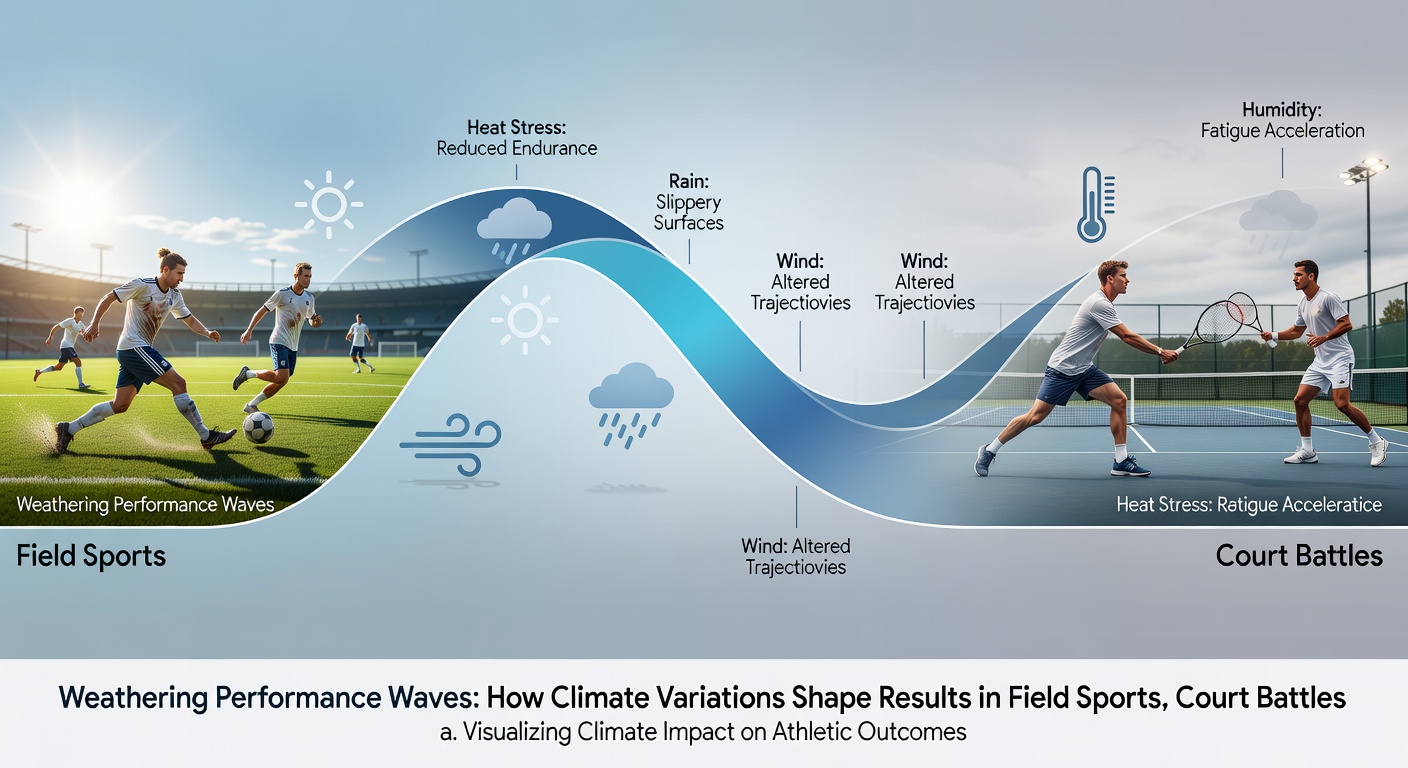
Long-term climate trends introduce additional layers of complexity, as shifting weather norms alter baseline expectations for athletes and support staff alike. Increased frequency of extreme heat days correlates with higher rates of performance decline in afternoon sessions, while unseasonal cold snaps stiffen muscles and reduce flexibility during warm-ups. Research published through the World Meteorological Organization demonstrates how these patterns compound over multi-week competitions, where cumulative exposure leads to strategic adjustments in pacing and recovery protocols. Those monitoring event data observe that venues with advanced drainage systems mitigate some precipitation effects more effectively than older facilities, resulting in fewer weather-related postponements. In preparation for upcoming schedules around May 2026, event planners increasingly consult integrated climate forecasts to minimize disruptions and maintain competitive integrity across diverse geographic locations.
Conclusion
Climate variations continue to shape athletic results through direct physical and environmental pathways that span field sports, court competitions, and course-based events. Evidence from meteorological records and performance analyses underscores the need for adaptive strategies that address these elements in real time, ensuring that outcomes reflect both skill and external conditions rather than chance alone. As data collection improves, stakeholders gain clearer pictures of how specific weather parameters influence particular disciplines, allowing for better-informed scheduling and preparation across the sporting calendar.