UK Bettors Draw Line at Financial Document Demands: 65% Poll Rejection Signals Black Market Risks from Affordability Checks
13 Apr 2026
UK Bettors Draw Line at Financial Document Demands: 65% Poll Rejection Signals Black Market Risks from Affordability Checks

The Poll That Shook the Industry
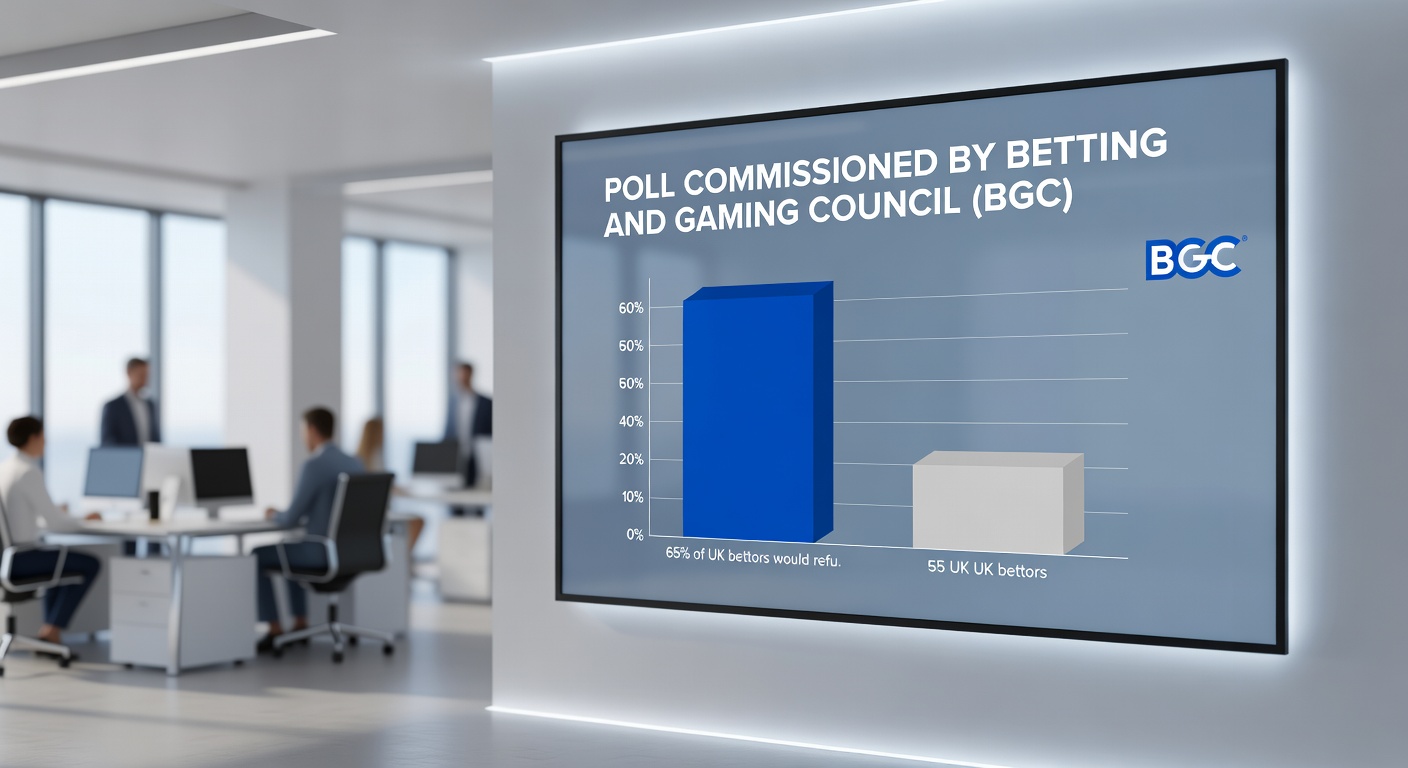
A recent poll commissioned by the Betting and Gaming Council (BGC) uncovers stark resistance among UK bettors, with 65% stating they would refuse to submit personal financial documents like bank statements and payslips just to keep gambling; this revelation spotlights growing fears that proposed affordability checks could shove players straight into unregulated black market operators, where safeguards vanish and risks skyrocket.
Experts who've tracked betting trends note how such checks, meant to curb problem gambling, instead spark backlash because they demand intrusive access to private finances; data from the poll indicates bettors view these requirements as overreach, preferring to walk away rather than expose sensitive details, and that's where the rubber meets the road for regulators balancing protection with participation.
What's interesting here is the timing: as the UK Gambling Commission (UKGC) gears up for full compliance by the third quarter of 2026 under the 2023 Gambling Act Review White Paper, this poll drops like a reality check, showing how player sentiment could unravel licensed markets if demands feel too heavy-handed.
Industry Heavyweights Rally with Open Letter
The British Horseracing Authority stepped up alongside 408 industry figures to fire off an open letter to Culture Secretary Lisa Nandy, urging an immediate pause in the rollout of these affordability checks; signatories argue that pushing forward without addressing privacy concerns risks fracturing the regulated sector, driving punters toward shadowy offshore sites that offer no consumer protections whatsoever.
Observers point out how horseracing, a cornerstone of UK betting culture, stands particularly vulnerable since checks could deter casual fans from placing routine wagers; the letter emphasizes that while safer gambling remains a priority, blanket financial scrutiny alienates the vast majority who bet responsibly, and figures reveal this collective voice represents bookmakers, tracks, and suppliers united in caution.
And yet, the pushback builds on patterns seen before: when regulations tighten without flexibility, licensed operators lose ground to black market alternatives that dodge taxes and rules alike, a shift that harms revenue streams essential for sports funding and jobs.
Regulatory Timeline Looms Large
Under the 2023 Gambling Act Review White Paper, the UKGC mandates full operator compliance with affordability checks by Q3 2026, a deadline that now hangs over the industry like a gathering storm; operators must verify customer spending capacity through financial data, but the BGC poll suggests many bettors simply won't comply, opting out rather than in.
Take one scenario researchers have modeled: a bettor hits a spending threshold, gets asked for payslips, declines, and pivots to unregulated apps advertising lax rules; studies on similar past measures show this migration pattern accelerates when verification feels punitive, with black market volumes spiking as a result.
But here's the thing: regulators designed these checks to flag vulnerability early, using data thresholds like deposit spikes or loss runs to trigger reviews, yet the poll data indicates 65% draw a hard line at document sharing, highlighting a disconnect between intent and execution.
Tax Hikes Add Fuel to the Fire
Compounding these affordability woes, the Remote Gaming Duty jumps to 40% effective April 1, 2026, piling extra pressure on operators already bracing for compliance costs; this tax increase, aimed at aligning online duties with land-based rates, threatens to squeeze margins further, making black market havens even more appealing to cost-conscious punters and firms alike.
Industry data shows remote betting has outpaced shops in growth, but higher duties could reverse that by inflating odds or limiting promotions, while affordability checks layer on administrative burdens like document processing and disputes; experts observe how this double whammy echoes past tax-driven shifts, where punters chased better value abroad.
Now, with April 2026 on the horizon, stakeholders warn that without a pause or rethink, licensed books face exodus risks, as the poll's 65% figure underscores bettors prioritizing privacy over regulated play.
Black Market Shadows Grow Longer
Figures from the BGC poll don't just highlight refusal rates; they signal a potential tidal wave toward illegal operators, where bets flow without age checks, deposit limits, or dispute resolution; one case researchers cite involves post-regulation surges in offshore traffic, with UK players losing millions annually to unlicensed sites offering irresistible odds.
That's where it gets tricky: while affordability checks aim to protect the vulnerable, pushing 65% away inadvertently bolsters criminals who exploit the void, and the open letter to Nandy stresses pausing rollout to refine the approach, perhaps with frictionless alternatives like spending trackers minus full financial dives.
People who've studied black market dynamics note how unregulated apps thrive on anonymity, pulling in everyone from casual punters dodging paperwork to high rollers seeking unrestricted action; this poll crystallizes the stakes, as Q3 2026 compliance nears without course correction.
Broader Implications for Betting Landscape
The convergence of poll findings, the horseracing letter, and looming tax changes paints a sector at a crossroads, where safeguards clash with player freedoms; data indicates regulated gambling generates billions in levies for good causes like problem gambling support, yet black market growth erodes that base, leaving less for reinvestment.
Consider how operators adapt: some roll out tiered checks for low-risk players, others lobby for tech solutions like open banking APIs that verify without documents, but the 65% threshold suggests widespread opt-outs loom unless tweaks happen soon; and with 408 signatories backing the pause call, momentum builds for dialogue before 2026 hits.
So, as Culture Secretary Nandy weighs the open letter, the industry holds its breath, knowing the ball's in her court to bridge the gap between protection and participation without fueling underground shifts.
Conclusion
This BGC-commissioned poll, revealing 65% of UK bettors rejecting financial document demands, coupled with the British Horseracing Authority's open letter signed by 408 figures and the shadow of April 2026's 40% Remote Gaming Duty hike, underscores a pivotal moment for the gambling sector; as UKGC compliance deadlines approach in Q3 2026 under the 2023 White Paper, stakeholders highlight black market migration risks if affordability checks proceed unchanged.
Turns out, the push for safer betting meets real resistance rooted in privacy concerns, prompting calls for pause and refinement; observers track how these developments could reshape player habits, operator strategies, and regulatory paths forward, ensuring the regulated market endures against illicit alternatives.
Ultimately, the story boils down to balance: protecting players without alienating them, a challenge now front and center as 2026 deadlines draw near.