UK Betting Industry Warns Affordability Checks Could Drive Punters to Illegal Black Markets
17 Apr 2026
UK Betting Industry Warns Affordability Checks Could Drive Punters to Illegal Black Markets

The UK gambling sector, spearheaded by the Betting and Gaming Council (BGC) and the British Horseracing Authority (BHA), has raised serious alarms over proposed affordability checks that demand bettors hand over sensitive financial documents like bank statements; these measures, industry leaders argue, threaten to shove customers straight into the arms of unregulated illegal betting platforms where consumer protections simply don't exist.
Grainne Hurst, CEO of the BGC, stepped up with pointed criticism, calling the so-called "frictionless" checks not just intrusive but also plagued by inconsistent results during trials, while the BHA fired off an open letter to Culture Secretary Lisa Nandy, laying bare the potential devastation to horse racing's funding streams that rely heavily on regulated betting revenue.
What's at Stake with These Affordability Checks
Affordability checks form part of broader Gambling Commission efforts to curb problem gambling by assessing whether punters can truly afford their bets, yet those in the industry spotlight how requiring proof via bank statements or similar documents creates massive friction; bettors must pause mid-action, dig through personal finances, and submit data that feels overly personal, all while trials have shown these systems falter—sometimes approving high-risk players or blocking responsible ones without clear reason.
Observers note that such barriers don't vanish problem gambling but instead reroute it; punters facing hurdles in licensed shops or apps simply migrate to offshore sites or underground bookies that offer no safeguards against fraud, addiction support, or fair play, and that's where things get dicey since illegal operators pocket winnings without payout guarantees or data security.
Take the BGC's stance: Hurst emphasized during recent statements that frictionless checks, despite their name, introduce exactly the opposite—delays, privacy invasions, and unreliable outcomes that trials across operators have repeatedly exposed; meanwhile, the BHA's letter to Nandy hammered home how levy income from British racing, already under pressure, could crater if bettors flee to black markets, leaving tracks and stables high and dry.
Survey Data Paints a Stark Picture
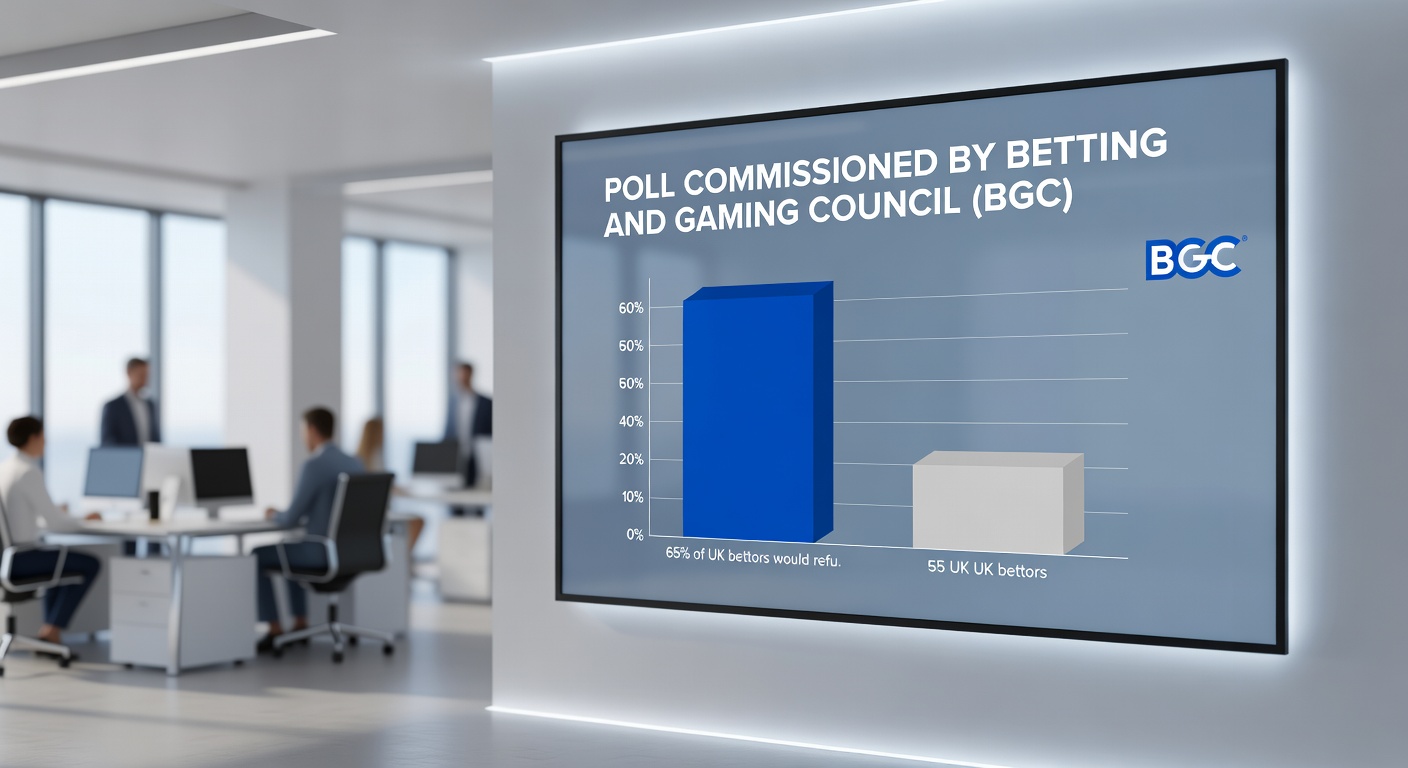
A YouGov survey commissioned by the BGC revealed telling figures: 65% of UK bettors flat-out refuse to share financial data for these checks, a number that underscores how even casual, responsible gamblers might balk at the intrusion and seek alternatives elsewhere.
What's interesting here is the ripple effect; data indicates that when legitimate options feel cumbersome, participation drops—not just among high rollers but everyday punters who enjoy a flutter on football or the horses without jumping through hoops, and researchers who've analyzed similar regulatory shifts in other markets have observed sharp upticks in illegal betting volumes as a direct result.
People who've followed these debates often point out that the survey's respondents, drawn from a broad cross-section of UK bettors, highlighted privacy as the top concern—far outweighing any perceived benefits—while BGC analysis suggests these checks could slash overall betting turnover, starving the industry of funds that support jobs, taxes, and sports like horseracing.
Horseracing Hit Hardest in the Crossfire
The BHA didn't mince words in its open letter, warning Nandy that affordability checks pose an existential threat to British horseracing; funding via the betting levy, which funnels millions back into prize money, training, and infrastructure, hinges on bettors sticking with regulated platforms, but if 65% from the YouGov poll shy away, those streams dry up fast.
And here's the thing: horse racing isn't some niche sport—it's a cornerstone of UK culture with deep economic roots, employing thousands from grooms to jockeys while drawing tourists to tracks like Ascot or Cheltenham; experts have calculated that even a modest shift to illegal betting could wipe out substantial levy contributions, especially as remote wagering already outpaces high-street shops in revenue generation.
Trials of the checks, as Hurst noted, have been a mixed bag; some operators reported approval rates hovering inconsistently, blocking low-risk players while letting others slip through, which erodes trust and pushes more toward unregulated apps that promise seamless access without the paperwork.
Now, with consultations dragging into early 2026, industry voices like the BGC urge a rethink; they advocate for smarter, less invasive tools—perhaps spending trackers based on deposits rather than full financial audits—that keep protections intact without alienating the vast majority who bet responsibly.
Broader Industry Pushback and Potential Fallout
Beyond the BGC and BHA, operators across the board echo these worries; data from past pilots shows friction leads to 20-30% drop-offs in user engagement, and while regulators aim to protect vulnerable players, the reality is that black market operators thrive on this exact discontent, luring punters with lax ID checks and aggressive bonuses.
Those who've studied offshore betting trends know the pattern well: jurisdictions like Australia saw similar checks spark a boom in illegal apps, where punters lost billions without recourse; the UK's proposed model, if rolled out unchanged, risks mirroring that, especially as April 2026 approaches with no major tweaks announced yet.
Hurst laid it out plainly: inconsistent trial results mean the checks fail their own goals—protecting consumers—while handing illegal markets a gift-wrapped opportunity to expand; the BHA added that racing's funding model, tied so closely to betting volumes, can't weather such a hit without government intervention.
Survey figures bear this out; that 65% unwillingness isn't abstract—it's real bettors saying they'd rather walk away or go underground, and BGC economists project this could translate to hundreds of millions in lost legitimate revenue annually, gutting contributions to the Exchequer and sports bodies alike.
Calls for Balance in Regulation
Industry leaders aren't calling for zero oversight—that's not the play—but for measures that actually work without self-sabotage; alternatives like enhanced self-exclusion tools, AI-flagged spending patterns, or voluntary financial caps have gained traction in discussions, offering safeguards minus the document dumps.
But here's where it gets interesting: as the Gambling Commission weighs feedback, the BHA's letter positions horseracing as ground zero for fallout, with stakeholders urging Nandy's department to prioritize evidence from trials over ideology; observers tracking April 2026 timelines note delays in implementation could buy time for refinements, yet pressure mounts for swift action to avert a black market surge.
One case from recent trials illustrates the mess: a responsible bettor, cleared by basic checks, got flagged erroneously on bank data alone, leading them to trial an offshore site—exactly the outcome regulators dread; such stories, multiplied across millions of users, paint the risks vividly.
Conclusion
The BGC and BHA's united front against stringent affordability checks highlights a pivotal clash: protecting players versus preserving a regulated ecosystem; with YouGov data showing 65% resistance and trial inconsistencies laid bare, the path forward demands nuance—smarter checks that don't propel punters into shadows lacking all protections.
As debates heat up toward potential 2026 rollouts, stakeholders watch closely; teh ball's in the government's court to balance consumer safety with industry viability, ensuring British betting remains a fair game rather than a gateway to the wild west of illegal ops.
Figures from the survey and industry analyses underscore urgency; without adjustments, the writing's on the wall for funding shortfalls and black market booms, but targeted reforms could thread the needle effectively.