Sue Young Takes Helm at UK Gambling Commission: Ushering in Frictionless Checks, 40% Tax, and Operator Shakeout
5 Apr 2026
Sue Young Takes Helm at UK Gambling Commission: Ushering in Frictionless Checks, 40% Tax, and Operator Shakeout

New Leadership Amid Regulatory Overhaul
The UK Gambling Commission appointed Sue Young as its new Executive Director of Operations on March 16, 2026; she steps into a role designed to spearhead implementation of "frictionless" financial risk checks alongside the forthcoming 40% Remote Gaming Duty set for April 1, 2026, marking a pivotal moment as the sector braces for tighter controls and higher costs. Observers note that Young's appointment aligns directly with these mandates, positioning her to oversee seamless integration of tools that verify customer affordability without halting play; that's the promise of "frictionless" anyway, a system regulators tout as balancing protection with user experience.
But here's the thing: this comes hot on the heels of other changes, including a ban on mixed-product bonuses that took effect in March 2026, now preventing operators from tying sports bets to casino reward unlocks, a move aimed at curbing cross-promotion pitfalls. Data from the Commission indicates these steps stem from ongoing efforts to mitigate gambling harms while adapting to evolving fiscal pressures; Young, with her background in operational leadership, takes charge just as these policies hit the ground running.
Take the Remote Gaming Duty hike: jumping to 40% from previous levels, it targets remote operators specifically, and experts have observed that such increases often ripple through market dynamics, prompting swift reactions from businesses feeling the pinch. The timing feels deliberate too, since April 1, 2026, looms large, with preparations underway to ensure compliance kicks in without major disruptions—although early signs suggest otherwise.
Betting and Gaming Council's Stark Warning
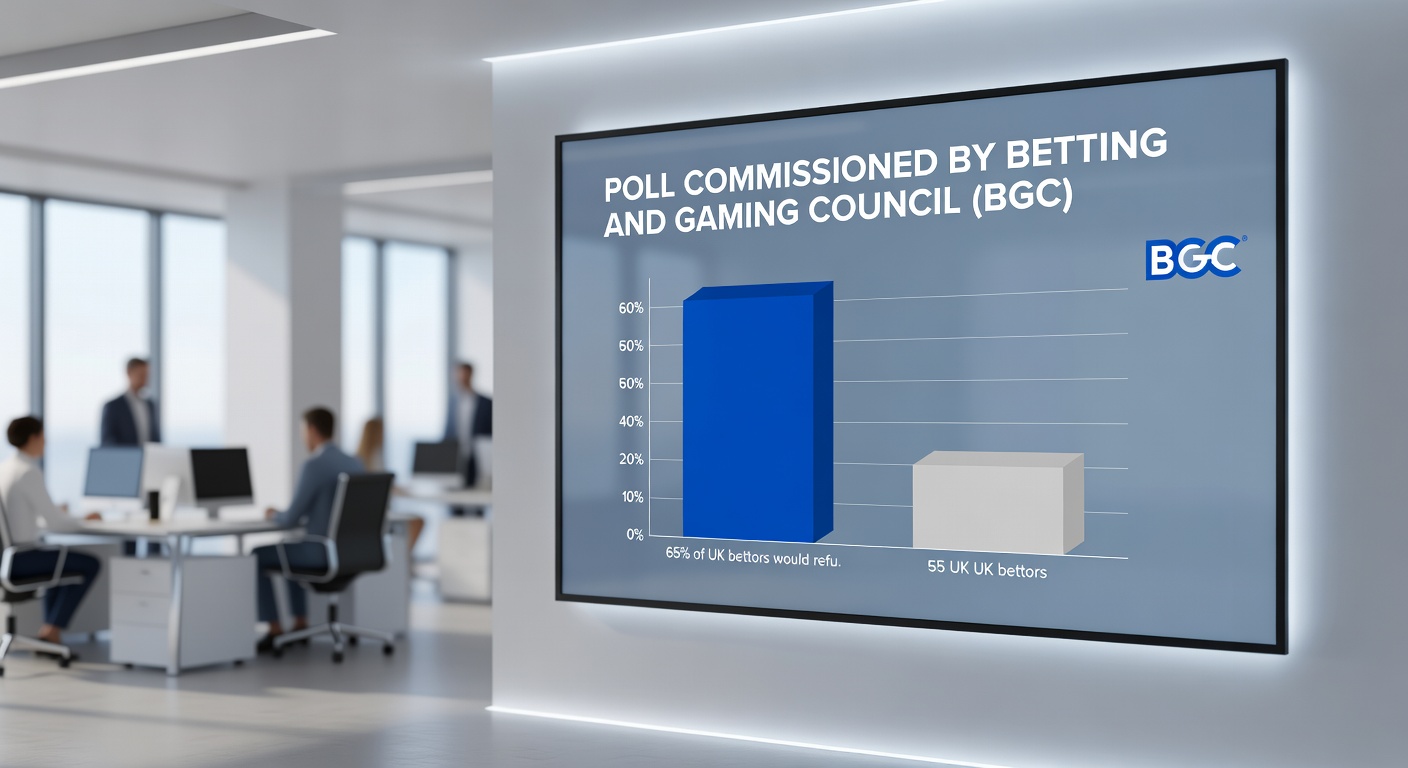
Right after its March 2026 Annual General Meeting, the Betting and Gaming Council issued a cautionary statement, highlighting how the tax escalation fuels market contraction; licensed operators face unsustainable costs, leading several—including brands formerly under Aspire Global—to confirm they'll shutter UK operations by month's end. That's no small shakeup, as the BGC's platform amplifies voices from an industry already navigating affordability checks, bonus restrictions, and now this fiscal blow.
What's interesting is the sequence: the AGM wraps up, warnings fly out, and suddenly closures materialize, painting a picture of operators voting with their feet before the April tax fully lands. Figures from the Council reveal that these exits stem directly from cost projections rendering UK viability questionable; one after another, companies announce pullouts, leaving gaps in the licensed landscape. And while regulators push forward with Young's leadership on frictionless tech, the BGC underscores a growing tension between protection goals and commercial realities.
People who've tracked these cycles know the pattern: tax hikes coincide with consolidation, where smaller or mid-tier players bow out first, consolidating power among giants better equipped to absorb hits. Yet the Council's post-AGM alert stands out for its immediacy, tying the 40% duty explicitly to contraction, with real-world examples like the Aspire alumni brands serving as Exhibits A through whatever.
Operator Exits and the March 2026 Deadline
Several licensed outfits confirmed their UK departures by March 31, 2026, citing the cocktail of rising duties, frictionless check mandates, and the fresh bonus ban as the tipping point; former Aspire Global entities lead the pack, but others follow suit, reshaping the competitive field overnight. This isn't abstract—announcements rolled in swiftly post-AGM, with operators framing decisions around bare-bones economics where margins evaporate under the new regime.
Turns out, the mixed-product bonus prohibition, effective March 2026, adds another layer, stripping tools operators once used to blend sports and casino engagement; now, rewards stay siloed, potentially dulling cross-sell appeal while regulators eye reduced harm from entangled betting habits. Data indicates this ban closes a loophole, yet businesses argue it compounds tax woes, accelerating exit timelines.
Now, as April 2026 dawns, the landscape shifts: fewer players mean concentrated volume for survivors, but also heightened scrutiny on those remaining, with Sue Young at the operational forefront ensuring frictionless checks roll out smoothly—scanning finances in real-time without player friction, or so the blueprint goes. Observers point out that Aspire's legacy brands, once active in the mix, exemplify how mid-market operators hit hardest; their closures underscore the stakes, leaving punters to adapt to a trimmed-down marketplace.
Frictionless Checks and Financial Safeguards
Central to Young's mandate, these "frictionless" financial risk assessments promise to flag vulnerability indicators—like spending spikes or deposit patterns—using data analytics that operate behind the scenes; no mandatory ID uploads mid-session, but proactive nudges if thresholds trigger, all compliant with broader LCCP guidelines on affordability. Studies from regulatory bodies show such tools catch issues early, although implementation details emerge piecemeal, with operators racing to integrate ahead of April 1.
But the rubber meets the road here: while frictionless sounds user-friendly, it demands robust tech overhauls, costs that stack atop the 40% duty, explaining why some bail before full enforcement. Experts who've dissected similar rollouts note variance in effectiveness—seamless for most, yet prone to false positives that could frustrate legitimate players—prompting questions on refinement as Young steers the ship.
So, pairing this with the duty increase creates a dual thrust: revenue for Treasury coffers from remote gaming's growth, balanced against operator pushback and market thinning. Those in the know highlight how BGC's AGM timing amplified these concerns, turning internal debates into public alerts that resonate industry-wide.
Market Ripples into April and Beyond
As March 2026 closes with exits confirmed, April brings the 40% duty live, coinciding with frictionless checks going operational under Young's oversight; licensed survivors gear up for higher tax bites on gross gaming revenue, while bonus silos and risk tools redefine daily ops. The BGC's contraction narrative gains traction, with data pointing to reduced competition potentially hiking odds or promos for those sticking around—although at what volume remains the wildcard.
It's noteworthy that Aspire-related brands' departures signal broader trends, where unsustainable combos of regs and taxes prompt strategic retreats to lower-cost jurisdictions; regulators, undeterred, advance with Young leading ops, betting on tech to deliver protections without killing the golden goose. And while closures mount, the Commission's stats will soon reveal true impacts—GGY shifts, player migrations, black market temptations—all unfolding in real time.
People often find these pivots fascinating: a new director, fresh rules, hasty goodbyes, all converging as spring 2026 betting heats up. Yet the writing's on the wall for stragglers; adapt or exit, with April's dawn marking the new normal.
Key Takeaways
- Sue Young's March 16, 2026, appointment targets frictionless financial checks and 40% Remote Gaming Duty rollout from April 1.
- BGC's post-AGM warning links tax hike to market contraction and operator exits by March end.
- March 2026 bonus ban ends mixed-product ties, adding to operator burdens.
- Former Aspire Global brands among those confirming UK shutdowns due to costs.
- Regulators push forward, balancing harms mitigation with industry sustainability.
Looking Ahead
The sector watches closely as these changes bed in; with Young at operations' core, frictionless tech and the duty reshape remote gaming, while BGC voices urge recalibration to stem further bleed. April 2026 tests the waters—will contraction stabilize, or accelerate? Data will tell, but for now, the pieces move fast, leaving operators, punters, and watchers alike on edge.