Punters' Paradise Evolving: Fresh Trends and Headlines Reshaping UK Betting
24 Apr 2026
UK Betting Industry Warns: Affordability Checks Could Flood Black Market as Taxes Climb

The Core of the Industry's Alarm
The UK betting sector, spearheaded by the Betting and Gaming Council (BGC) alongside the British Horseracing Authority (BHA), has issued a stark warning; proposed affordability checks—demanding bettors hand over sensitive financial documents like bank statements and payslips—stand to shove customers straight into the arms of unregulated black market operators, potentially unraveling years of responsible gambling efforts while fueling illegal activities.
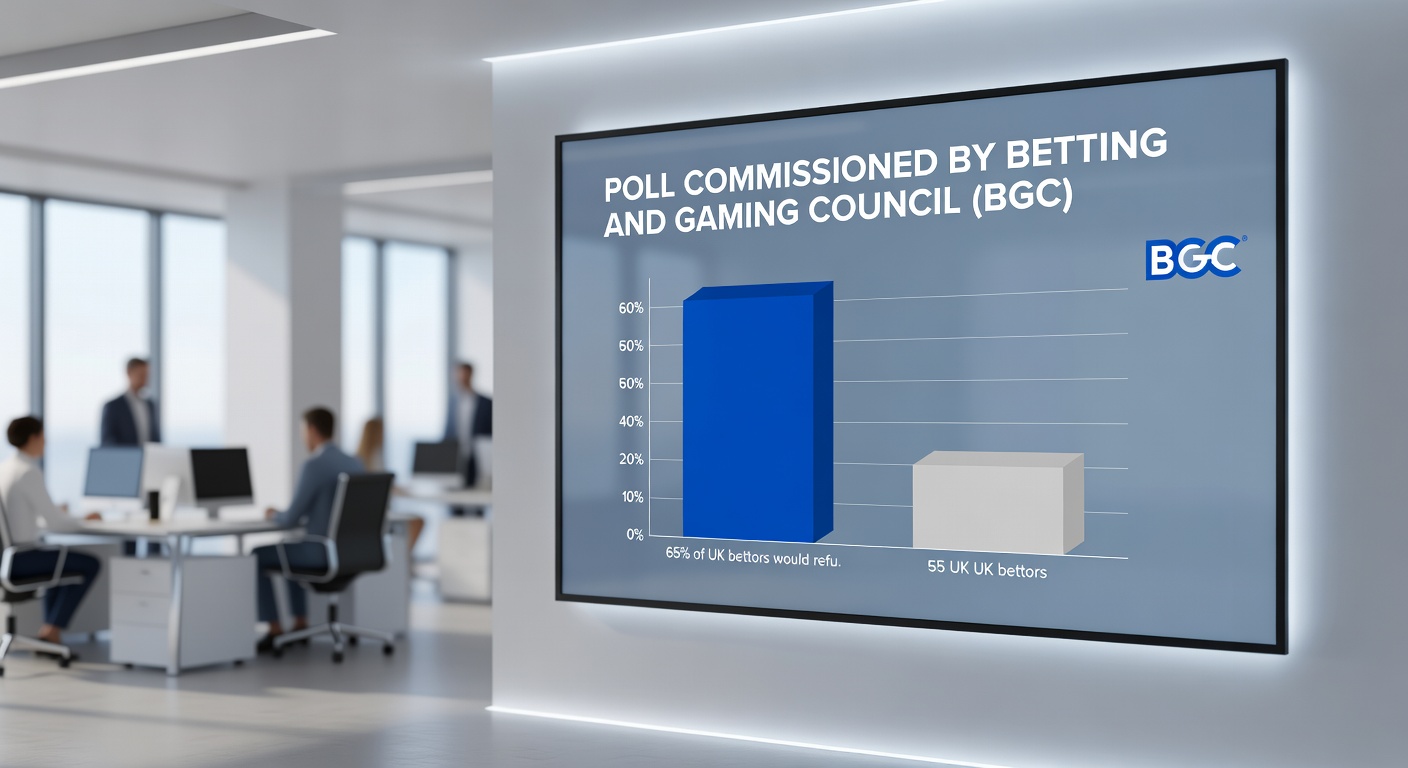
At the heart of this pushback lies fresh data from a BGC-commissioned YouGov poll, which uncovered that 65% of bettors would flat-out refuse to submit such personal paperwork just to keep placing wagers, a figure that resonates deeply with earlier findings from the UK Gambling Commission where 77% of respondents opposed comparable financial scrutiny measures.
Experts tracking the landscape note how these checks, intended to flag potential problem gambling by probing income and spending patterns, instead risk alienating everyday punters who view them as invasive overreach; after all, people who've bet responsibly for years often bristle at the idea of baring their bank details to prove they're not at risk.
Regulatory Pressures Mounting on All Fronts
But here's where it gets layered: this affordability showdown unfolds against a backdrop of escalating regulatory squeezes, including a sharp Remote Gaming Duty hike set to jump to 40% come April 1, 2026, a move that's already prompted an open letter from 408 prominent industry figures urging the government to hit pause and reassess the fallout on jobs and horseracing funding streams.
The BHA, deeply intertwined with the sport's financial lifeline—where betting levies prop up prize money and track maintenance—highlights how these combined pressures could erode the very ecosystem that sustains British racing; data from past duty adjustments shows remote operators absorbing hits that trickle down to reduced contributions, leaving trainers, jockeys, and stables in the lurch.
Observers point out that the BGC and BHA aren't alone in their chorus; smaller operators echo the sentiment, arguing that while player protection matters, blanket document demands ignore tailored risk assessments already in place, like self-exclusion tools and deposit limits that don't require financial deep dives.
And yet, the government's drive stems from review commissions documenting gambling harms, although industry data counters that licensed sites boast lower harm rates than offshore alternatives teeming with no safeguards whatsoever.
Unpacking the Poll: What Bettors Are Saying
Turns out, that YouGov survey—polling a representative slice of UK gamblers—paints a vivid picture of reluctance; 65% outright rejecting the document handover speaks volumes, especially since it mirrors the Gambling Commission's prior stats where 77% pushed back against similar proposals, suggesting a consistent thread of privacy concerns weaving through punter attitudes.
People who've navigated betting apps for years often discover that proving affordability via payslips feels like jumping through hoops for a casual punt on the horses or football, particularly when black market sites beckon with zero questions asked, faster payouts, and odds unburdened by UK taxes.
What's interesting here is the demographic spread: younger bettors, hooked on mobile wagering, show even steeper opposition rates, while data indicates they'd pivot quickest to crypto-fueled offshore platforms that skirt all checks entirely.
Take one case from industry reports where early trial checks in select operators led to a 20% drop in active accounts within months; punters didn't vanish—they resurfaced on unregulated domains, betting bigger without limits or recourse if issues arose.
The Black Market Shadow Looms Large
Now, the BGC and BHA drive home a critical risk: shoving bettors offshore doesn't solve harms—it amplifies them, since black market operators dodge age verification, money laundering controls, and addiction support, leaving vulnerable players exposed to predatory tactics like unlimited credit and bonus traps wth hidden catches.
Studies tracking migration patterns after past regulations reveal spikes in illegal gambling; for instance, post-2019 stake limits on slots, reports surfaced of punter flight to unlicensed sites, where session times ballooned unchecked and losses mounted without intervention.
That's the rubber meeting the road: licensed firms invest millions in safer gambling tech—think reality checks and net deposit trackers—yet affordability docs could torpedo customer trust overnight, handing the market to outfits that prioritize profits over protection.
Seminars hosted by the BGC have featured ex-punters sharing tales of black market pitfalls, from rigged odds to stolen data, underscoring why 65% balk at measures that might inadvertently boost these very threats.
Tax Hike Adds Fuel to the Fire
Layer on that Remote Gaming Duty escalation to 40% effective April 1, 2026, and the plot thickens; industry math crunches show operators facing a revenue gut-punch, forcing tough calls like slashing marketing budgets or hiking margins, which in turn squeezes punter value.
The open letter—signed by 408 heavyweights from betting boards to racing execs—lays it bare: pause the rollout, they plead, to safeguard 100,000+ jobs and the £500 million annual levy flowing to horseracing, without which tracks crumble and fields thin out.
Figures from the BHA illustrate the stakes; betting underpins 80% of racing's core funding, so any dip ripples through to fewer fixtures, smaller purses, and a talent exodus that could hollow out the sport observers have long hailed as a UK jewel.
But government responses so far lean toward proceeding, citing harm reduction mandates from white papers, although critics note that black market growth post-tax tweaks has historically outpaced any projected safeguards.
Broader Implications for Jobs and Racing
So, as April 2026 nears, the tension ratchets up; BGC projections warn of thousands of shop closures mirroring recent trends, while online shifts accelerate under duty strain, potentially slashing levy pots that keep British racing galloping.
One study commissioned by racing bodies found that a 10% levy drop correlates with 15% fewer jobs in the equine supply chain—from farriers to vets—highlighting how interconnected betting regs are with rural economies.
People in the know often point to Ireland's lighter-touch model, where regulated betting thrives without heavy document walls, boasting lower black market penetration; UK stakeholders reference such benchmarks, urging a recalibration before lines blur irreparably.
Looking Ahead: A Tipping Point?
In the end, this clash boils down to balancing protection with preservation; the BGC and BHA's warnings, backed by poll data and economic forecasts, signal a potential exodus unless tweaks emerge—like frictionless checks via open banking that skip document uploads.
With the open letter's 408 signatures amplifying the call and April 2026's tax cliff approaching, stakeholders watch closely as policymakers weigh industry pleas against reform agendas; data suggests the path forward hinges on measures that keep punters licensed, safe, and spending within bounds that don't drive them underground.
Observers who've followed these cycles know resolutions often emerge from dialogue, yet the clock ticks, and the black market waits patiently in the wings.